Tiempos de Muralismo (Times of Muralism), Chile’s Coastal Mural Project, SECOS Social-Ecological Millennium Institute, (Chile)
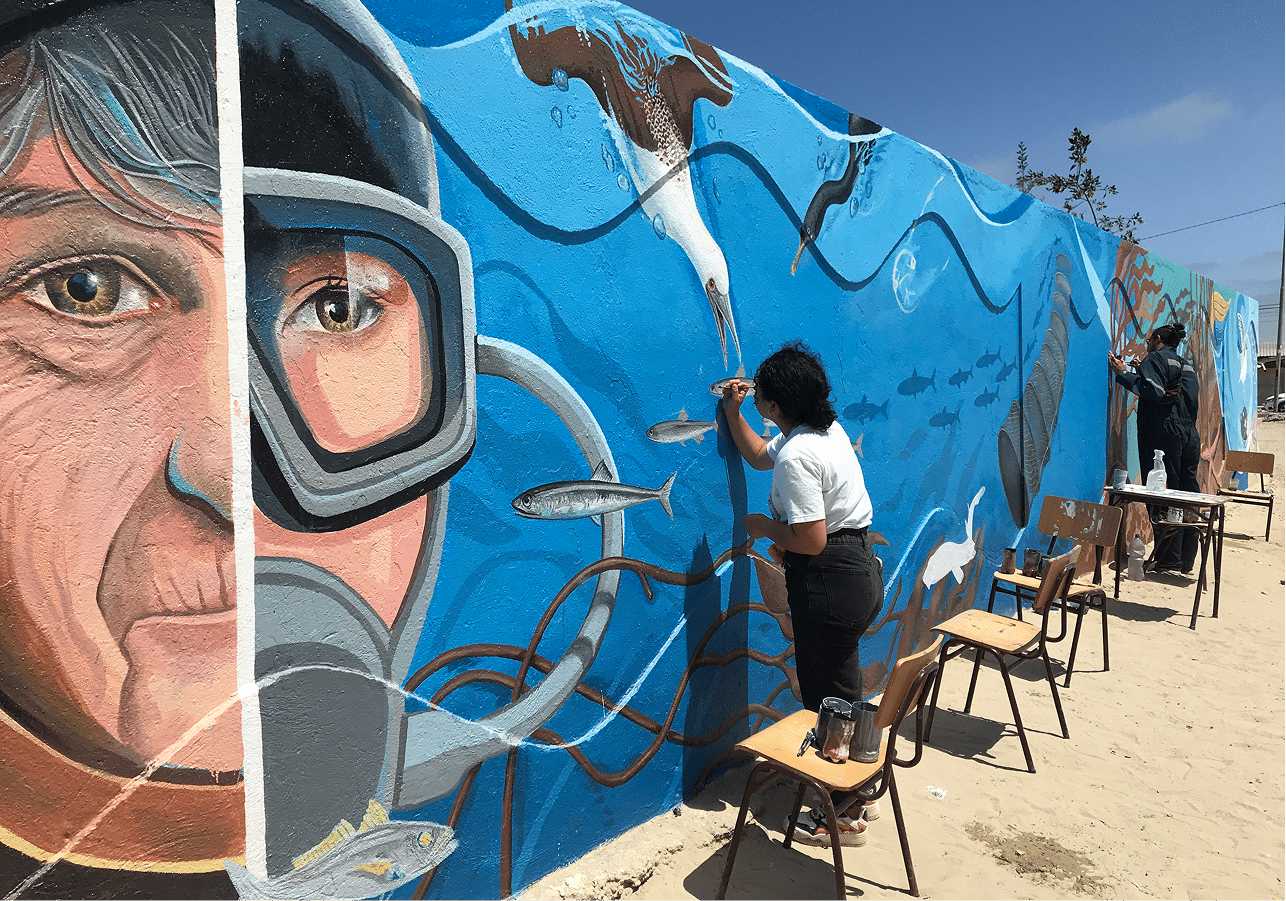
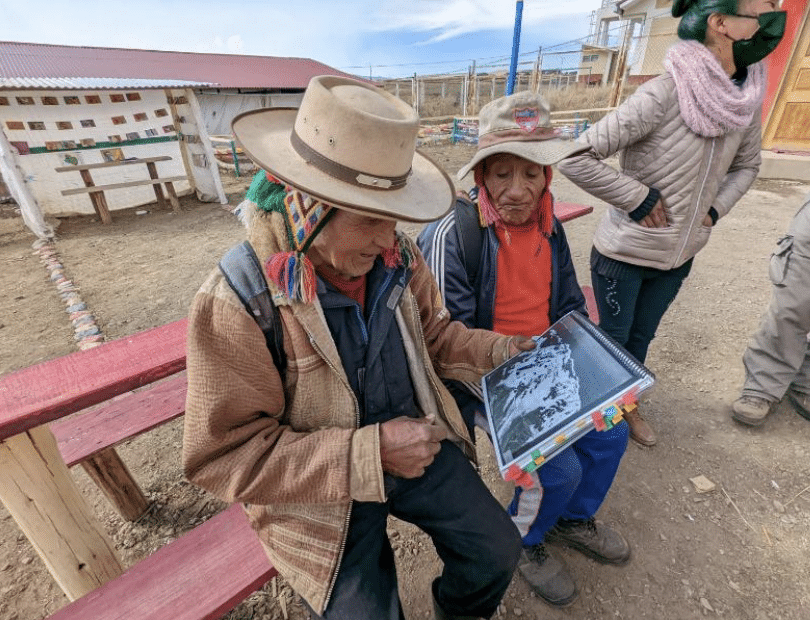
Tiempos de Muralismo (2019–present) is a community-centered arts–science initiative led by the SECOS Millennium Institute that explores co-creative approaches to socio-ecological research. Building on Chile’s muralist tradition, the project brings together scientific, territorial, and traditional knowledge through participatory art, oral history, mapping, and creative practice to foster climate resilience and ocean sustainability. Working closely with coastal communities in Chile, the initiative engages artists, scientists, educators, and residents through co-creation workshops, artist residencies, scientific illustration, immersive media, and school collaborations. Together, these activities transform public spaces into platforms for dialogue, collective storytelling, and shared knowledge creation.
Originating Institution: SECOS Millennium Institute, Chile
Project Lead: Fernanda Oyarzún (SECOS), Genevieve Tremblay (SECOS, CKC)
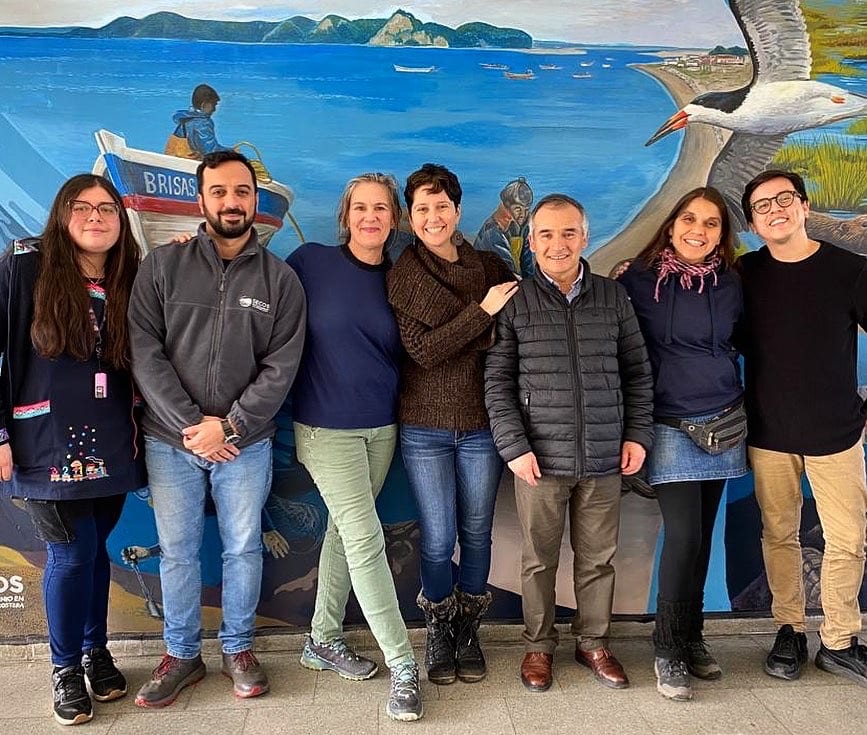
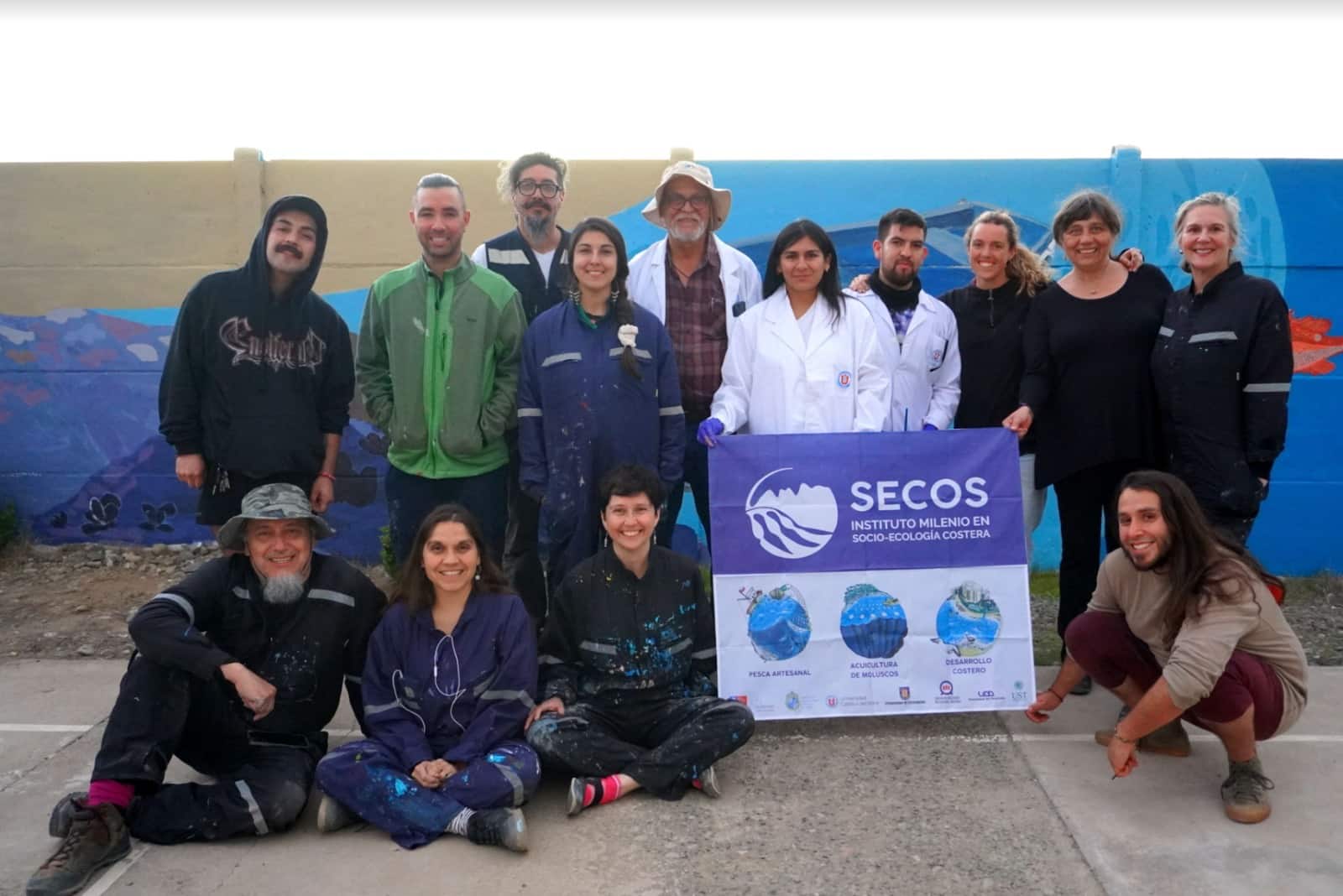
Collaborators/Partners: SECOS arts, science, and communications teams; educators, students, and community partners across seven coastal communities in Chile; Millennium Nucleus UPWELL; CEAZA.